
New Study Advocates for Healthy Habits to Treat Back Pain
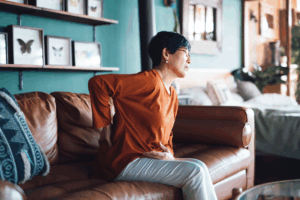
A recent study found a combination of traditional therapies and healthy lifestyle habits may be the most effective method for treating back pain.
Prevalence of Low Back Pain (LBP)
Low back pain (LBP) is the most common cause of disability in the world and the leading condition for which people benefit from rehabilitation. LBP affects most people at least once in their lives, but women are more prone to back pain than men throughout their lifetimes. The age group with the highest number of cases, regardless of gender, is 50-55.
Low back pain may result from fractures, arthritis, tissue damage or underlying disease, or it can be non-specific. About 90 percent of LBP is non-specific, so clinicians must evaluate risk factors that could contribute to LBP, like obesity, smoking or work stress.
Australian Study Combines Healthy Habits and Traditional Treatments
While medication sometimes helps relieve symptoms of LBP, it rarely provides a long-term solution. A new study published in JAMA Network Open by researchers at the University of Sydney’s Centre for Rural Health suggests modifying daily habits can have a profound impact on low back pain.
The researchers conducted a randomized control trial with 190 women and 156 men from across Australia who experienced low back pain and had at least one modifiable risk factor, such as the following:
- Poor diet
- Obesity
- Inactive lifestyle
- Smoking
The research team randomly divided the participants into one of two groups. One cohort underwent conventional, guideline-driven physiotherapy to alleviate LBP symptoms, while the other cohort was treated with a combination approach utilizing the “Healthy Lifestyle Program (HeLP)” strategy.
The HeLP group accessed various service providers, such as dietitians, physical therapists and remote health coaches, who assisted them in identifying lifestyle practices linked to their lower back discomfort. For 26 weeks, the HeLP group met with specialists to implement healthy choices and modifications. By the conclusion of the study, HeLP participants experienced greater weight loss and indicated a better quality of life than those in the control group. The researchers concluded that encouraging patients to create healthy lifestyle habits along with traditional treatment methods provided the best outcomes in relieving lower back pain (JAMA Network Open).
“Resolving back pain needs to focus on more than the back,” said Chief Investigator Associate Professor Chris Williams. “Our bodies are not like machines; we are more like ecosystems where lots of factors interact and determine how we work and feel. Back pain is no different.”
Causes of Back Pain
According to the Arthritis Foundation, most back pain occurs after an injury to the ligaments, tendons or muscles that support the spine. Some of these injuries may include the following:
- Strains — a pulled back muscle
- Sprain — a torn or stretched ligament
- Ruptured or herniated disc — when the disc opens and exposes the soft center, which can put pressure on nerves
- Muscle spasms — when overworked muscles become rigid to prevent further damage
- Vertebral fractures — when spinal bones break, often because of osteoporosis
Most instances of back pain tend to resolve over time; however, certain individuals might experience conditions such as osteoarthritis, spinal stenosis or axial spondylarthritis.
If you have not sustained an injury, you could still experience chronic low back pain. Other causes of LBP could be as follows:
- Obesity — Additional weight can put stress on the back and abdominal muscles.
- Stress — A stress response is to tighten muscles in the neck and back, which can cause pain.
- Scoliosis — A structural problem like curvature of the spine can cause muscle imbalance and discomfort.
- Poor posture — Slouching can cause certain muscles to work harder.
- Pinched nerves — Sciatica is a common cause of back pain and can cause pain to radiate down the back, through the buttocks and down one or both legs.
- Kidney stones — Renal problems can often manifest as back pain.
When to Visit an Orthopedist About Your Lower Back Pain
No matter your age, it’s important to consult an orthopedist if your back pain lasts for several weeks or if you notice leg weakness, unintended weight loss, fever, chills or issues with bladder or bowel control. Following a physical assessment and discussing your individual and family health background, your physician may suggest various tests, such as the following:
- Muscle test — Your doctor may check the strength of muscle groups in and around the back to see if you have nerve damage.
- Blood test — Taking blood can help your doctor know if you have certain blood markers that would suggest inflammatory arthritis.
- X-rays, MRI, CT or bone scans — Taking images of the back can be a quick way to determine a structural problem.
- Nerve evaluation — Using a device called a pinwheel along the skin, your doctor can find areas of back sensitivity.
- Sciatic nerve stretch test — This is a specific type of nerve test that stretches the sciatic nerve to see if you have nerve-root pain (Arthritis.org).
Your orthopedist may suggest several types of treatment. Medications like nonsteroidal anti-inflammatory drugs (NSAIDS), acetaminophen, muscle relaxers and steroids (oral or injectable) can be helpful for short-term relief.
You may also benefit from physical therapy that uses exercise, stretching and weights, as well as a heating pad, ice packs and electrical stimulation to increase blood flow. A physical therapist may also use traction, back braces and a customized exercise program to reduce your LBP.
In conjunction with traditional treatment methods, your orthopedist may suggest weight loss, dietary modifications, stress relief and cessation of unhealthy habits like smoking or alcohol use.
If you have tried nonsurgical options for several months, your orthopedic spine surgeon or a neurosurgeon may recommend a surgical procedure. You can discuss the benefits and side effects of each procedure your doctor proposes, and rest assured you will be part of the decision process (AAOS).
Call your orthopedist to make an appointment for low back pain assessment and treatment. You don’t have to live with discomfort and pain. One visit could be all you need to find solutions so you can resume your active lifestyle.